Discover why neuro-inclusive dog training matters, how it supports both people and dogs, and the story behind the Dogs and Divergent Minds movement.
What is neuro-inclusive dog training, and why does it matter?
Let’s start by answering the big question. Neuro-inclusive dog training is about making dog training spaces, services, and communication styles more accessible for neurodivergent people. The dog world is so far behind when it comes to this, but I am on a mission to change that!
Traditional dog training spaces often unintentionally exclude us. From noisy environments to unclear instructions, from pressure heavy expectations to rigid social dynamics — these things can leave neurodivergent dog owners feeling overwhelmed, ashamed, or simply “not enough.”
And when we feel that way? Our dogs feel it too, and nobody gets success!
My journey started with panic attacks and a dog called Milo
I didn’t start my dog business because I had a grand plan — I started it because I couldn’t leave the house. Grocery shopping on my own was impossible. I would abandon trolleys halfway through a shop, heart pounding, mind racing. When I was with someone else, I could just about manage by masking my distress.
But when I was alone? The anxiety would win.
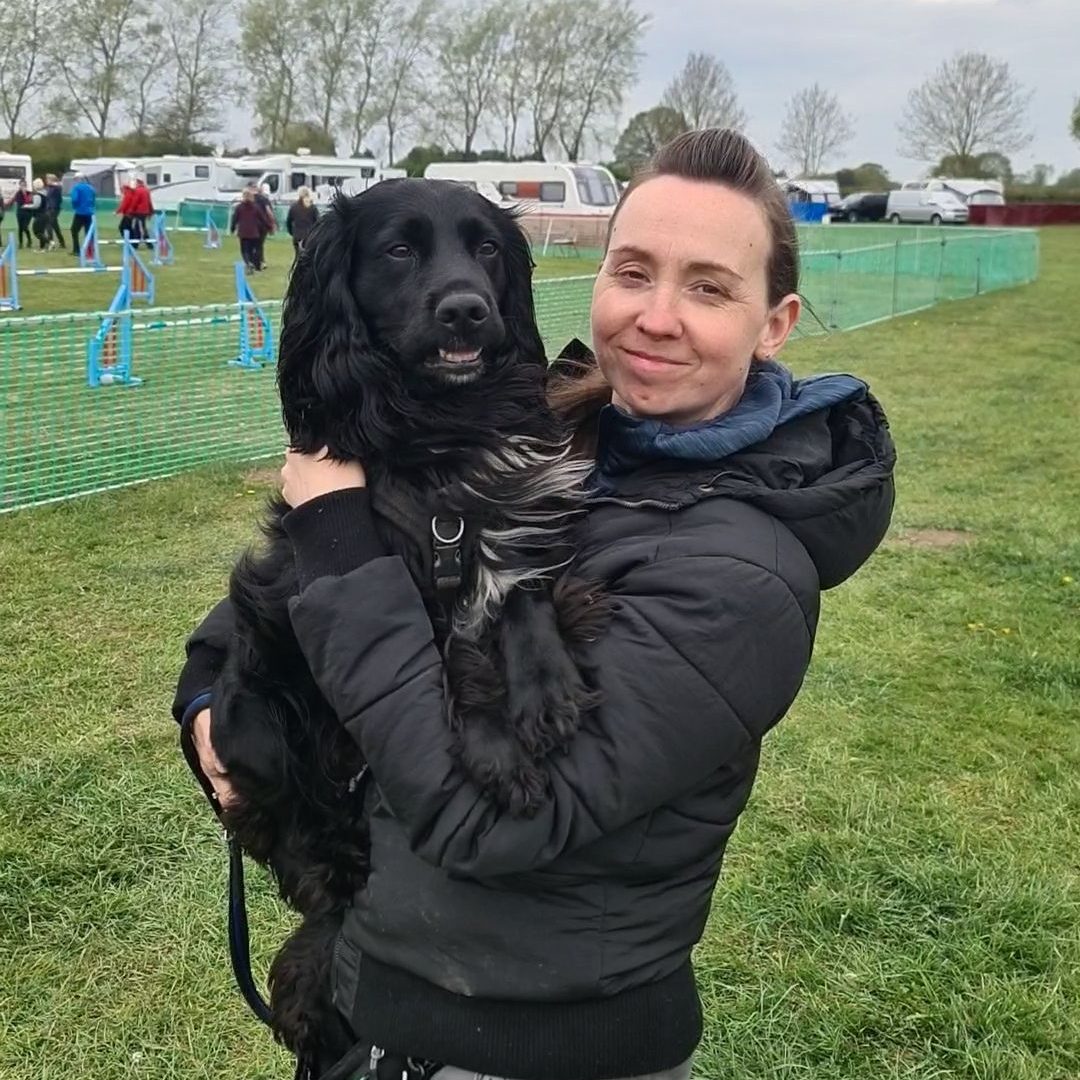
After a lot of research, I got a dog, Milo, in the hope that he would help me feel safe enough to step outside, but I never could have imagined how far that decision would take me.
You can read all about that journey in my first book.

Dog training classes didn’t feel like they were made for people like me
Milo was a typical working Cocker Spaniel — energetic, curious, and often labelled “naughty.” I knew he needed training, but dog classes felt like another world. Everyone else seemed to fit in. I didn’t.
The trainers were telling me what to do, but I couldn’t process it. I couldn’t take it in or remember it afterwards. I felt like a failure, and that shame stayed with me for a long time.
I know I am not stupid, I have numerous high level qualifications in various subjects, but in those classes I felt like I knew nothing at all!
No one was doing anything wrong, exactly — it just wasn’t set up for someone like me. But back then, I didn’t have the language or diagnosis to understand why. All I knew was I was leaving classes feeling worse than when I arrived and that was no good for me or my dog!
When support doesn’t work for your brain, it doesn’t feel like support
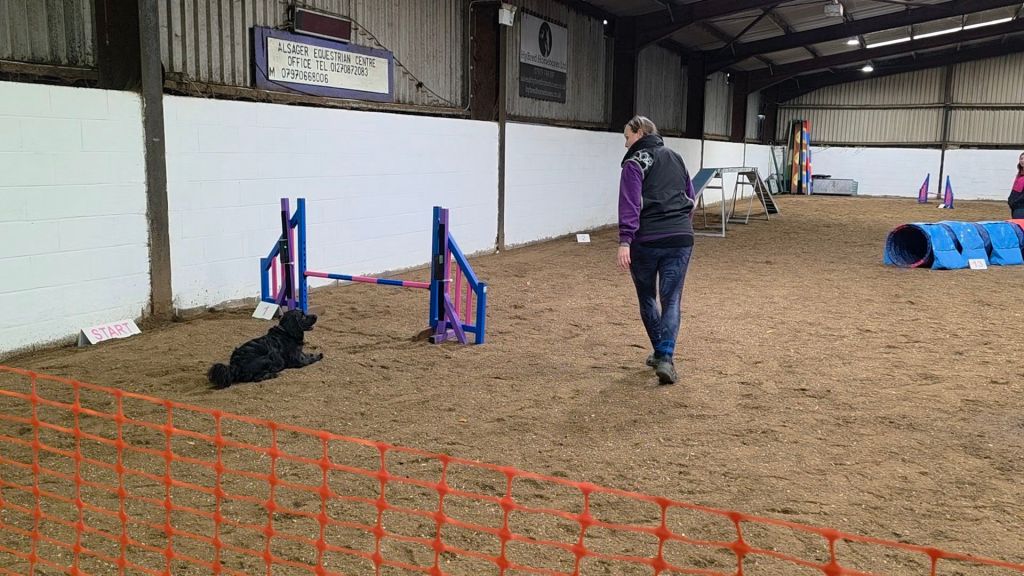
Because classes didn’t work the way I needed them to, I turned to self-study. I read everything I could, took dog training and behaviour qualifications, and eventually agility certifications too. I didn’t realise it at the time, but I was learning to teach myself — because the way information was usually shared didn’t suit my brain.
The same thing happened when I tried to grow my business. I’d hire business coaches or sign up for programs, only to be told to do things that felt overwhelming, unethical, or just plain wrong for me. Once again, I thought I was the problem.
To me it seemed like everyone else had it together, they were doing the things that I couldn’t bring myself to do, and it just didn’t sit right with me. I knew there must be a better way, a way where I could do things that enabled success, but in a way that aligned with my values and boundaries.
It wasn’t until I was diagnosed as autistic and ADHD in June 2024 that it all started to make sense.
What does a neuro-inclusive dog training space actually look like?
A neuro-inclusive dog training space doesn’t mean completely rethinking everything — but it does mean designing with empathy.
No it is important to say, just like dog training, there is no one size fits all when it comes to neurodiversity. But there are defiantly things you should be considering when it comes to how you run your services.
Here’s what it might involve:
- Offering sensory-friendly environments (quiet spaces, softer lighting, fewer people per class).
- Giving written and visual instructions — and not relying only on verbal directions.
- Removing unnecessary social pressure or forced interaction.
- Letting clients choose how they receive follow-up notes or homework.
- Ditching titles like Mr/Mrs or gendered assumptions — use first names or inclusive language. Ask what pronouns people like to use.
- Making accommodations available to everyone, so no one feels singled out (e.g., offering all clients a chair instead of only providing one when requested).
- Letting people know what to expect before they arrive — from the layout of the class to what their dog might experience.
- Acknowledging that masking exists — and that some clients might seem fine while still struggling.
Being inclusive isn’t about doing extra. It’s about removing the barriers that shouldn’t have been there in the first place.
Why this matters: Your wellbeing directly affects your dog
This isn’t just about human comfort — it’s about canine wellbeing too.
Now this is one thing I can’t get my head around! We focus so much on the dog we are helping – but what about the HUMAN??!!
Dogs are emotional sponges. They pick up on our stress, our tension, our overwhelm. If we’re in a training environment where we’re masking, zoning out, or struggling to regulate, our dogs will feel that. They won’t learn as well. They might become more anxious, reactive, or disconnected.
The way the human feels has a direct effect on how the dog feels and reacts – we need to give as much care to the human as we do the dog!!
Creating inclusive spaces isn’t a bonus — it’s essential for ethical, effective dog training!

Creating communities where neurodivergent dog people feel seen and supported
Because I didn’t want anyone to feel as isolated as I once did, I’ve built the kind of communities I wish I’d had. These communities are FREE Facebook groups that anyone is welcome to join:
- 💼 The Neuro-Inclusive Dog Hub: For dog owners and business owners who want to grow without burnout, And also for NT businesses that want to be more accessible.
- 🐾 Elevate Dog Agility: A space for overwhelmed, anxious, or neurodivergent agility handlers and their dogs to thrive in their own way.
These spaces are open, compassionate, and rooted in the belief that there’s no one right way — only the way that works for you.
Why I created Dogs and Divergent Minds (and what it’s here for)
Dogs and Divergent Minds isn’t just a blog or a campaign. It’s a movement.
It’s about bringing together:
- Neurodivergent dog owners and handlers
- Neurodivergent dog business owners
- Dog professionals who want to be more inclusive
- Services and experts that support neurodivergent people in the dog world
It’s a space for collaboration, education, and transformation. A place where inclusion isn’t an afterthought — it’s the foundation of success!
I created an awareness day to help spread the word of this new movement. I hope each year the day will get bigger and have more people get behind it. You can read more about Dogs and Divergent Minds Day here.
If you are savvy with social media, you can also help the cause by simply adding the hashtag #dogsanddivergentminds to any relevant posts. I am also happy to share these posts, just make sure you tag me too.

Final thoughts: You are not broken, and you are not alone
If you’ve ever felt like dog training wasn’t made for someone like you — I see you.
If you’ve ever walked out of a class in tears, wondering why you couldn’t “just get it” — I’ve been there.
If you’ve ever wasted money on support that didn’t support you — I know how painful and frustrating that is.
But you’re not broken. You’re just wired differently. And there is space for you here.
Whether you’re a dog owner trying to understand your pup, an agility handler trying to feel confident again, or a business owner trying to build something in a way that works — Dogs and Divergent Minds is here for you.
If you want to be part of this change, you’re already part of the movement. Come and join the communities, use the hashtags, and remember – you are never alone!
Katrina x
🖇️ Milo The Dog That Gave Me It All Book
🖇️ Join my FREE Neuro-Inclusive Facebook Group here.
🖇️ Read about Dogs and Divergent Minds Awareness Day here.
❓ Frequently Asked Questions
1. What does “neuro-inclusive dog training” actually mean?
Neuro-inclusive dog training creates learning environments that are welcoming for neurodivergent people (e.g. autistic, ADHD, anxiety, sensory processing differences). They take into consideration the learning needs and sensory experiences of the human along with focusing on the needs of the dog. Creating these spaces mean more success for everyone because success starts with feeling seen, safe and supported!
2. Why is this so important for my dog’s wellbeing?
Dogs are incredibly sensitive to our emotional and sensory states. If you’re overwhelmed or anxious, your dog will pick up on it — and may struggle to learn or feel safe. Creating inclusive, regulated training environments isn’t just about human comfort — it directly supports your dog’s emotional stability and learning too. When we support the human, the dog has more success!
3. I struggle with burnout and executive function — how can training fit into that?
Many neurodivergent people experience autistic burnout or ADHD-related overwhelm, making routines and consistency feel impossible . Practical strategies can include breaking training into small, manageable chunks, using low-sensory tools (e.g. silent toys, calm spaces), and building your own support systems (like scheduled help from others or flexible coaching). These reduce stress for both you and your dog.
4. How can I make my dog training business more neuro-inclusive?
This is one of the things I help businesses with, but here are some easy-to-implement changes, and if you would like more tailored advice, just get in touch!
- Offer all (not just some) clients accommodations like chairs, quiet corners, or visual schedules.
- Use inclusive, identity-first language and avoid assumptions (e.g., don’t rely on “Mr/Mrs”).
- Provide information before sessions (like what to expect, sensory environment).
- Communicate in writing or visual formats as well as verbally.
- Recognise and normalise masking — just because someone looks “fine” doesn’t mean they’re not struggling .
✅ Ready to Learn More?
These FAQs are just a starting point — if anything resonates, you’re not alone. Dogs and Divergent Minds is here to support you and your dog to thrive together — on your own terms. Get in touch here!


 Dogs And Divergent Minds
Leave a reply to Hello! – Dogs And Divergent Minds Cancel reply